
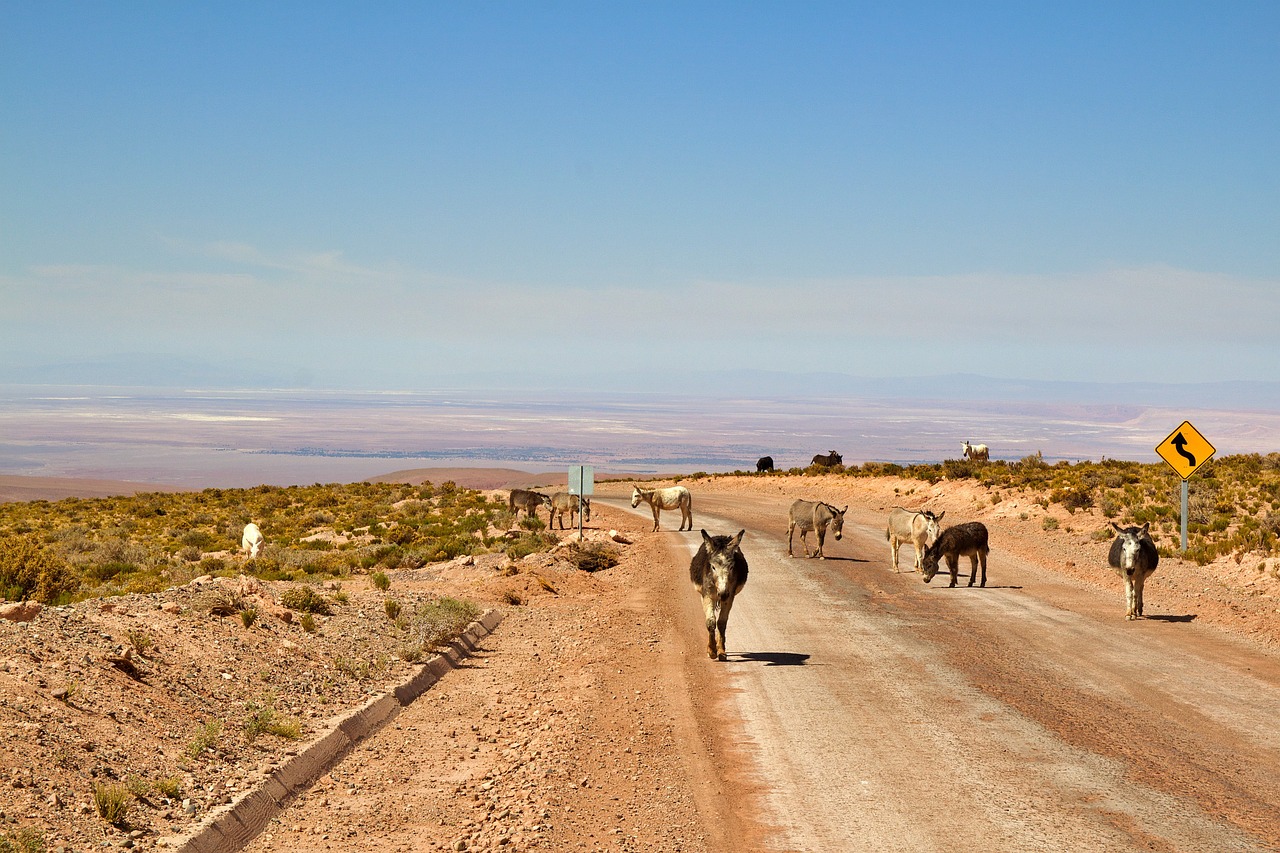
What on earth do donkeys have to do with Bible study?
Donkeys appear throughout Scripture because they were an ordinary and important part of daily life in biblical times.
Today’s passage first opens with a genealogical line of Saul’s family.
But then it quickly diverts into a common cultural issue of needing to search for some lost donkeys.
Have you ever looked for something you lost, but instead of finding the lost item(s), your life trajectory changed?
Searching for Donkeys but Finding Samuel Instead
A Study of 1 Samuel 9:1-16 | The Passage Questions
There was a man of Benjamin whose name was Kish, the son of Abiel, son of Zeror, son of Becorath, son of Aphiah, a Benjaminite, a man of wealth. 2 And he had a son whose name was Saul, a handsome young man. There was not a man among the people of Israel more handsome than he. From his shoulders upward he was taller than any of the people. [i]
What stands out about Saul’s father?
How is Saul described?
What might the author want us to notice by including these details about Saul’s family and appearance?
3 Now the donkeys of Kish, Saul’s father, were lost. So Kish said to Saul his son, “Take one of the young men with you, and arise, go and look for the donkeys.” 4 And he passed through the hill country of Ephraim and passed through the land of Shalishah, but they did not find them. And they passed through the land of Shaalim, but they were not there. Then they passed through the land of Benjamin, but did not find them. [ii]
How much effort have Saul and his servant already invested in finding his father’s donkeys?
5 When they came to the land of Zuph, Saul said to his servant who was with him, “Come, let us go back, lest my father cease to care about the donkeys and become anxious about us.” 6 But he said to him, “Behold, there is a man of God in this city, and he is a man who is held in honor; all that he says comes true. So now let us go there. Perhaps he can tell us the way we should go.”[iii]
What does Saul want to do at this point? Why?
Why does the servant suggest they visit the man of God in the nearby city?
What does the servant’s description of the man of God reveal about his reputation?
7 Then Saul said to his servant, “But if we go, what can we bring the man? For the bread in our sacks is gone, and there is no present to bring to the man of God. What do we have?”[iv]
Why does Saul hesitate to follow his servant’s advice?
8 The servant answered Saul again, “Here, I have with me a quarter of a shekel of silver, and I will give it to the man of God to tell us our way.” 9 (Formerly in Israel, when a man went to inquire of God, he said, “Come, let us go to the seer,” for today’s “prophet” was formerly called a seer.) 10 And Saul said to his servant, “Well said; come, let us go.” So they went to the city where the man of God was. [v]
Saul is the son of a father with great wealth. Yet it is the servant who offers to give his shekel of silver to the seer as a gift.
What do you think Scripture is highlighting about Saul through these details? What about the servant?
Why do you think the author included this explanation about the terms ‘seer’ and ‘prophet’?
11 As they went up the hill to the city, they met young women coming out to draw water and said to them, “Is the seer here?” 12 They answered, “He is; behold, he is just ahead of you. Hurry. He has come just now to the city, because the people have a sacrifice today on the high place. 13 As soon as you enter the city you will find him, before he goes up to the high place to eat. For the people will not eat till he comes, since he must bless the sacrifice; afterward those who are invited will eat. Now go up, for you will meet him immediately.”[vi]
What do we learn about the activities taking place in the city that day?
Why do the young women encourage Saul and his servant to hurry?
14 So they went up to the city. As they were entering the city, they saw Samuel coming out toward them on his way up to the high place.
15 Now the day before Saul came, the Lord had revealed to Samuel: 16 “Tomorrow about this time I will send to you a man from the land of Benjamin, and you shall anoint him to be prince over my people Israel. He shall save my people from the hand of the Philistines. For I have seen my people, because their cry has come to me.”[vii]
Who is the seer that Saul and his servant meet?
How did the search for the lost donkeys become the means by which Saul and Samuel met?
What do you learn about God’s concern for His people from the Lord’s words in verse 16?
Who will benefit from Samuel anointing Saul as King of Israel?
Searching for Donkeys but Finding Samuel Instead
A Study of 1 Samuel 9:1-16 | Application Questions
Saul started out looking for lost donkeys on behalf of his earthly father.
It was a frustrating exercise that Saul wanted to abandon.
But his servant encouraged the option of consulting with a man of God, who turned out to be none other than Samuel.
If you’re unfamiliar with who Samuel is, review 1 Samuel 1-3 for his back story.
In our passage today, we see how God used what appeared to be an ordinary and frustrating circumstance to bring Saul and Samuel together. What seemed like an unsuccessful search was actually part of a much larger purpose.
As you reflect on your own journey, how has God changed the trajectory of your life in unexpected ways?
Who did He bring into your circumstances?
Did you respond willingly to this redirection or hesitate? Why?
How has the study of this passage changed your perspective on your own journey?
Who are the people God wants you to help?
Searching for Donkeys but Finding Samuel Instead
A Study of 1 Samuel 9:1-16 | A Prayer Response
Heavenly Father, thank you for revealing to us in 1 Samuel 9:1-16 that you oversee even the most mundane parts of our lives. Bring this passage to mind when we find ourselves in what on the surface appears to be a fruitless endeavor. Open our hearts and minds to recognize your hand at work through those who travel alongside us and offer guidance. Amen.
9 The heart of man plans his way, but the Lord establishes his steps. [viii]
How will you share this today?
Warmly,
Barbara Lynn
[i] The Holy Bible: English Standard Version (Wheaton, IL: Crossway Bibles, 2025), 1 Sa 9:1-2.
[ii] The Holy Bible: English Standard Version (Wheaton, IL: Crossway Bibles, 2025), 1 Sa 9:3-4.
[iii] The Holy Bible: English Standard Version (Wheaton, IL: Crossway Bibles, 2025), 1 Sa 9:5-6.
[iv] The Holy Bible: English Standard Version (Wheaton, IL: Crossway Bibles, 2025), 1 Sa 9:7.
[v] The Holy Bible: English Standard Version (Wheaton, IL: Crossway Bibles, 2025), 1 Sa 9:8-10.
[vi] The Holy Bible: English Standard Version (Wheaton, IL: Crossway Bibles, 2025), 1 Sa 9:11-13.
[vii] The Holy Bible: English Standard Version (Wheaton, IL: Crossway Bibles, 2025), 1 Sa 9:14-16.
[viii] The Holy Bible: English Standard Version (Wheaton, IL: Crossway Bibles, 2025), Pr 16:9.